From Traffic to Pipeline: Building a B2B Lead Generation System That Converts
Many B2B companies invest heavily in SEO, paid ads, and content marketing to drive traffic. Yet despite growing visitor numbers, conversions remain low and pipelines stay inconsistent.

The core issue isn’t traffic—it’s the lack of a structured system that converts attention into qualified opportunities. When marketing and sales operate in silos, leads fall through the cracks, and revenue becomes unpredictable.
To solve this, businesses need a B2B lead generation system—a repeatable, data-driven framework that transforms traffic into pipeline.
What Is a B2B Lead Generation System?
A B2B lead generation system is a strategic process designed to attract, capture, nurture, and convert prospects into sales-ready leads.
Unlike traditional lead generation, which focuses on volume, a system prioritizes:
- Lead quality over quantity
- Consistent pipeline growth
- Alignment between marketing and sales
It also works closely with demand generation, which builds awareness and intent before leads are captured. Together, they create a sustainable growth engine.
Understanding the Modern B2B Buyer Journey
Today’s B2B buyers don’t follow a linear funnel. Instead, they:
- Conduct independent research across multiple channels
- Engage with content before speaking to sales
- Involve multiple stakeholders in decision-making
This means timing and intent matter more than ever. Businesses must identify high-intent signals—such as repeat visits, content engagement, or pricing page views—to engage prospects at the right moment.
Step 1: Attract High-Intent Traffic
Not all traffic is valuable. The goal is to attract visitors who are actively searching for solutions using effective lead generation strategies for B2B.
Key strategies include:
- Building a clear Ideal Customer Profile (ICP)
- Targeting intent-driven keywords (solution-based, problem-aware searches)
- Creating content that addresses real business pain points
- Running paid campaigns focused on decision-makers
High-intent B2B leads increase the likelihood of conversion and reduce wasted marketing spend while strengthening your B2B marketing funnel.
Step 2: Capture and Qualify Leads Effectively
Once the right audience arrives, the next step is capturing their information without friction.
Best practices include:
- Designing conversion-optimized landing pages with clear value propositions
- Using forms, chatbots, or interactive tools for lead capture
- Offering valuable resources like case studies, audits, or demos
Lead qualification is critical. Not every lead is ready to buy, so categorizing them into:
- MQLs (Marketing Qualified Leads)
- SQLs (Sales Qualified Leads)
ensures better prioritization and follow-up.
Step 3: Nurture Leads into Sales Opportunities
Most B2B leads don’t convert immediately. They require consistent engagement and trust-building, especially in B2B inbound lead generation strategies.
Effective nurturing includes:
- Email drip campaigns tailored to user behavior
- Content mapped to funnel stages (awareness, consideration, decision)
- Personalized messaging based on interactions
The goal is to move prospects from interest to intent, gradually preparing them for sales conversations using proven B2B conversion strategies.
Step 4: Align Marketing and Sales
A strong lead generation system fails without proper alignment between teams.
Critical components include:
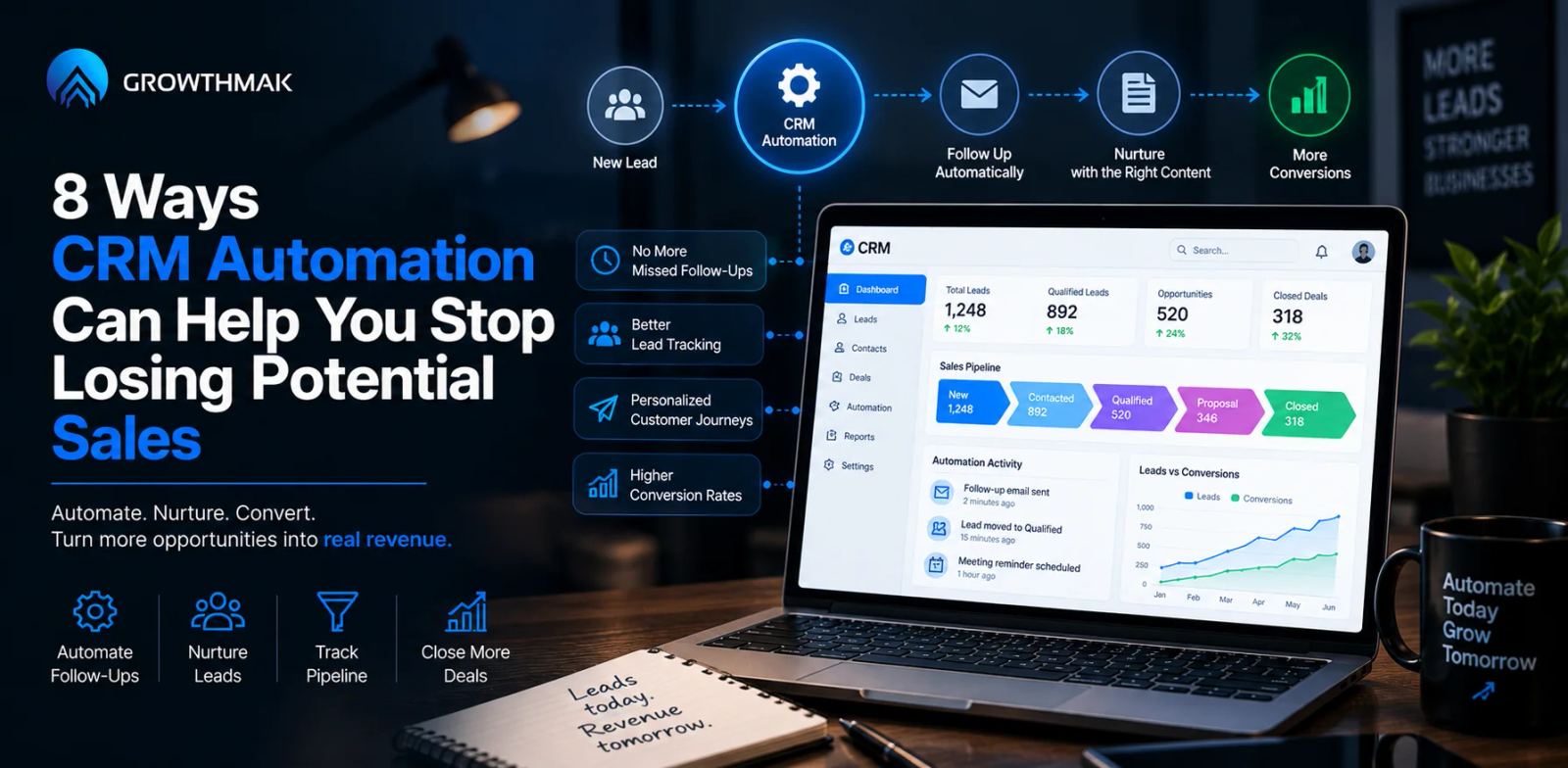
- CRM integration for tracking every lead interaction
- Lead scoring models to identify high-value prospects
- Clear handoff processes between marketing and sales
When both teams work toward shared goals, conversion rates improve significantly.
Step 5: Optimize for Conversion and Scale
Optimization is what turns a working system into a scalable one and improves overall pipeline generation B2B performance.
Focus areas include:
- Conversion Rate Optimization (CRO) on landing pages
- Continuous A/B testing of messaging, CTAs, and design
- Retargeting campaigns to re-engage lost visitors
Data-driven decisions ensure continuous improvement and higher ROI.
Key Metrics That Drive Pipeline Growth
Tracking the right metrics is essential for measuring success:
- Lead-to-opportunity conversion rate
- Cost per qualified lead (CPL)
- Pipeline velocity (speed of deal movement)
- Customer acquisition cost (CAC)
These metrics provide a clear picture of how effectively your system generates revenue.
Common B2B Lead Generation Mistakes to Avoid
Many B2B companies struggle with lead generation due to a few avoidable mistakes that directly impact pipeline growth. Instead of focusing on sustainable strategies, they often chase short-term wins that fail to convert into real revenue.
- Prioritizing traffic volume over lead quality
- Failing to nurture leads consistently
- Lack of alignment between marketing and sales
By identifying and correcting these gaps, businesses can build a more efficient lead generation system, improve conversion rates, and create a predictable, high-quality sales pipeline.
Turning Strategy into Results with GrowthMak
A structured lead generation system requires the right strategy, tools, and execution to consistently deliver results. As a B2B lead generation agency, GrowthMak focuses on building systems that not only attract traffic but convert it into qualified opportunities and measurable pipeline growth.
GrowthMak focuses on:
- Building intent-driven marketing systems
- Aligning marketing efforts with revenue outcomes
- Creating scalable frameworks tailored to business goals
This approach ensures that traffic doesn’t just grow—it converts into a predictable and measurable B2B sales pipeline.
Conclusion: Building a Predictable B2B Pipeline
Generating traffic is only the first step in B2B growth. Real success comes from building a structured system that consistently converts visitors into qualified leads and sales opportunities, ensuring long-term business impact.
By focusing on intent-driven strategies, proper funnel structure, lead nurturing, and continuous optimization, businesses can eliminate guesswork and improve conversion efficiency across every stage of the buyer journey.
The key is simple: stop chasing traffic—start building systems that convert.
FAQs What is a B2B lead generation system?
A B2B lead generation system is a structured, repeatable process designed to attract the right audience, capture their information, nurture relationships, and convert prospects into qualified sales opportunities, ensuring consistent pipeline growth.
High-quality B2B leads are generated by identifying the ideal customer profile, targeting intent-driven keywords, creating valuable content, optimizing landing pages, and using data-driven strategies to attract and convert decision-makers.
The most effective channels for B2B lead generation include SEO for organic visibility, LinkedIn for professional targeting, paid advertising, email marketing for nurturing, and content marketing to build trust and authority.
B2B lead generation typically takes three to six months to deliver consistent results, depending on industry competition, strategy effectiveness, and the length of the sales cycle involved.
Lead nurturing is important because B2B buyers often take time to make decisions, requiring multiple touchpoints, personalized communication, and consistent engagement before they are ready to convert into customers.
B2B lead generation success is measured using key performance indicators such as lead conversion rates, cost per qualified lead, pipeline value, engagement metrics, and overall return on investment from marketing efforts.
Written by Growthmak Team · B2B Growth Specialists
All blogs